 Sarmiento Hub
As Sarmiento continues to navigate the Liga Profesional Argentina, the tactical landscape of their recent matches reveals both strengths and areas ripe for improvement. While the team has displayed a commendable fighting spirit and resilience, a closer analysis of their formation and player roles suggests that subtle adjustments could enhance their overall cohesion and attacking potency.
Current Tactical Setup
Sarmiento has predominantly operated in a 4-2-3-1 formation, which has allowed for a solid defensive base while providing options for counter-attacks. The two holding midfielders have been crucial in shielding the backline, but at times this setup has led to a lack of dynamism in the attack. The wingers, while talented, often find themselves isolated due to the limited support from the central midfielders, who are more focused on defensive duties than creating chances.
Suggested Adjustments
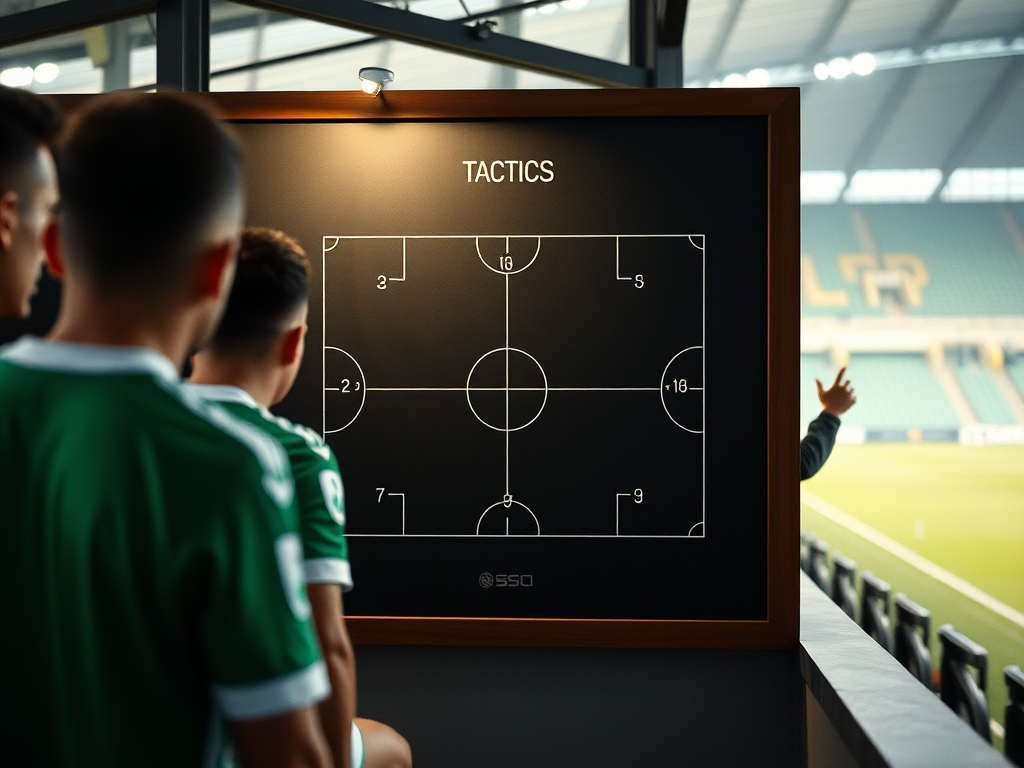
One potential tweak to consider is shifting to a 4-3-3 formation. This would not only allow for a more fluid attacking style but also enable the midfield to dictate play more effectively. By introducing a third midfielder, Sarmiento could improve ball retention and increase the number of passing options available. This change would also facilitate better link-up play between the midfield and forwards, allowing the likes of Jhon Rentería and T. Ayala to exploit spaces more effectively.
Furthermore, increasing the offensive responsibility of the full-backs could add width and depth to Sarmiento's attacking play. Encouraging them to push forward and provide overlapping runs would stretch opposing defenses and create opportunities for the wingers to cut inside or receive the ball in more advantageous positions. This tactic would not only enhance the team's attacking threat but also create more space for central players to operate.
Player Roles and Responsibilities
In the proposed 4-3-3 setup, it's crucial to redefine individual roles to maximize the team's potential. The central midfielder should be a player with excellent vision and passing ability, capable of orchestrating play and transitioning quickly from defense to attack. This role could be ideal for Federico Alaggia, who has shown flashes of brilliance in recent games.
Wingers should be encouraged to interchange positions with the central forward. This fluidity can create confusion in the opponent's backline and lead to more goal-scoring opportunities. The current challenge is to ensure that the central forward remains a focal point, drawing defenders and creating space for runners from midfield.
Defensive Stability
While enhancing attacking capabilities is vital, Sarmiento must also ensure that defensive stability is not compromised. The two holding midfielders should remain disciplined, providing a safety net for the backline while also being ready to contribute to the attack when necessary. Training sessions focusing on communication and positional awareness will be key to maintaining this balance.
Conclusion
With these tactical adjustments, Sarmiento can capitalize on their existing strengths while addressing some of the gaps that have emerged in recent matches. By adopting a more dynamic 4-3-3 formation, redefining player responsibilities, and encouraging full-backs to contribute offensively, El Verde can enhance not only their performance but also their chances of climbing the Liga Profesional standings. As the season progresses, implementing these tweaks could prove crucial in achieving Sarmiento's aspirations.