 Sarmiento Hub
In the midst of the 1990s, a decade characterized by change and transition in Argentine football, Sarmiento de Junín began to reclaim its legacy after years of struggle. The club, affectionately known as El Verde, had faced numerous challenges since its founding, but the 90s heralded a period of revitalization that would lay the groundwork for future successes.
Sarmiento's return to the top tier during this era was no small feat. Under the management of visionary coaches and the contributions of talented players, the team began to reestablish itself as a formidable force in the Liga Profesional Argentina. The grassroots efforts of the club were evident, as the youth academy started producing skilled players who would go on to make significant impacts on the first team.
One of the notable moments during this resurgence came in 1995, when Sarmiento achieved promotion to the Primera B Nacional after a series of impressive performances. The team showcased a blend of experienced players and emerging talents, creating a cohesive unit that played with passion and determination. This promotion was more than just a return to a higher division; it was a statement of intent from a club eager to make its mark on Argentine football once again.
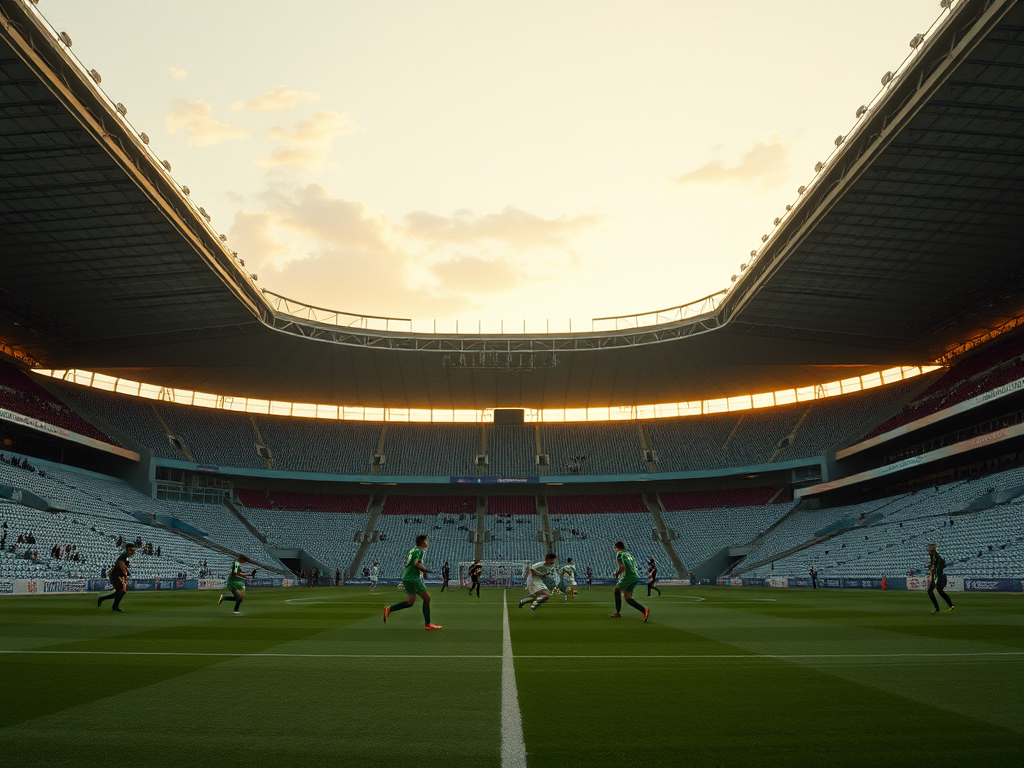
The success on the pitch was mirrored by the unwavering support of the fans, who filled the Estadio Eva Perón with unyielding loyalty. The atmosphere during home matches became electric, a testament to the deep-rooted connection between the club and its supporters. The chants of "Vamos Sarmiento!" echoed throughout Junín, creating a fortress that opponents dreaded to enter.
As the decade progressed, Sarmiento continued to solidify its position in Argentine football. The club's ambition saw it compete fiercely in the national leagues, often battling against established teams. Memorable matches against rivals, including the fiercely contested encounters with Argentinos Juniors, became etched in the hearts of fans, further igniting the passion for El Verde.
Off the pitch, the club also made strides in its administration and infrastructure, with investments aimed at improving facilities for both players and fans. This forward-thinking approach was essential in not only attracting talent but also in fostering a sense of community around the club. The local businesses and residents rallied around Sarmiento, uniting to support the team through thick and thin.
The legacy of Sarmiento's 1990s resurgence is not just about the victories on the field; it is about the identity that was forged during this period. The club emerged from the shadows of its past, embracing a future filled with hope and ambition. This era served as a reminder that with perseverance, dedication, and the unwavering support of its fans, Sarmiento could rise to any challenge.
As we reflect on this pivotal decade, it is clear that the foundations laid in the 1990s continue to influence Sarmiento today. The spirit of that era lives on, reminding current players and fans alike of the club's rich history and the bright future that lies ahead for El Verde.